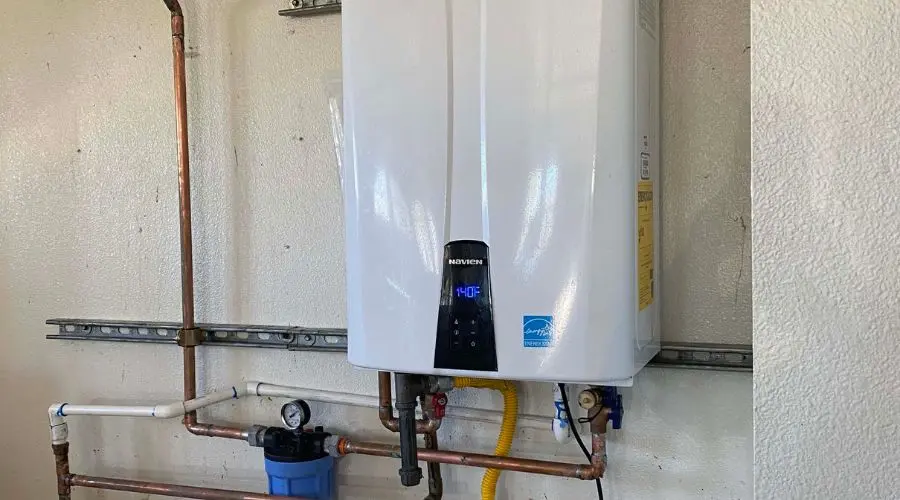
water heater

The Advantages of Installing a Tankless Water Heater

Why Go Tankless?

Exploring the benefits of installing a tankless water heater can ease concerns about high utility bills and inconsistent hot water. This modern, energy-efficient upgrade reduces energy costs while providing a reliable, on-demand source of heated water. The result is a powerful solution that improves comfort and streamlines daily routines. Below are the key advantages that make this system a compelling improvement.

Energy Efficiency

save money Tankless water heaters offer notable energy efficiency compared to conventional storage units, leading to measurable reductions in utility expenses. Traditional systems continuously heat a large volume of water, regardless of demand, resulting in substantial standby heat loss. Tankless models, by contrast, heat water only when needed, eliminating energy waste associated with storage-based systems. According to the Department of Energy, this inefficiency can account for up to 20% of energy usage in standard models.

The efficiency gains of tankless technology are particularly strong in households using 41 gallons of hot water or less daily, operating 24–34% more efficiently. Even higher usage homes can see improvements in energy efficiency. These gains become even more noticeable during seasonal shifts when demand fluctuates and conventional systems overwork to compensate.

For households with average annual water heating expenses between $400 and $600, switching to a tankless model could reduce that cost by $100 to $200 per year. Over the lifespan of the system, these savings become significant. Utility rebate programs for high-efficiency water heaters add further financial incentive. Many tankless units also feature smart temperature regulation technology that enhances performance. Over time, the energy savings from these systems help offset the initial installation investment.

Endless Hot Water Supply and Space Savings

hot shower Tankless water heaters deliver hot water as needed by heating it directly during flow, removing the need for a large storage tank. Unlike traditional systems that heat 40–80 gallons continuously, tankless units activate only when water flow is detected. Water enters the system cold and exits heated, thanks to powerful internal heating elements or burners.

This design ensures an uninterrupted supply of hot water, even during peak usage. Long showers, laundry cycles, and dishwashing can occur simultaneously without temperature loss or waiting for recovery time. Tankless systems maintain performance consistency regardless of duration or activity.

For high-demand environments such as homes with multiple bathrooms, luxury features, or hot tubs, the continuous delivery of hot water becomes a major benefit. The elimination of storage limitations transforms the way hot water is accessed and distributed, especially during busy morning or evening routines.

Another significant benefit is the space efficiency offered by tankless units. These systems mount to the wall and occupy a fraction of the space required by storage heaters. A typical unit measures about 28 inches in height, 20 inches in width, and only 10 inches deep, freeing up floor area in garages, basements, or utility rooms.

This compact footprint allows for more flexible installation options and opens up previously occupied space for storage, tools, or shelving. Wall-mounted configurations also contribute to cleaner, more organized utility areas, improving both aesthetics and functionality. Storage space continues to rank high on the list of buyer preferences, according to surveys by the National Association of Home Builders. Adopting a tankless solution not only saves energy, but it also improves space planning and adds long-term value.

Longer Life Expectancy

Tankless water heaters are built for longevity, often operating for more than 20 years with regular maintenance, significantly longer than the 10–15 year lifespan typical of storage-based models. This extended operational life means fewer replacements and replacement costs over time.

The enhanced durability of tankless units comes from the absence of a water tank, which reduces the risk of rust, corrosion, and leakage. Common failure points in traditional heaters are avoided entirely. Additionally, key components in tankless systems are designed for easy replacement, further extending service life.

Replacing a water heater involves more than the cost of the unit itself. Installation prices have risen consistently in recent years. Data from HomeAdvisor shows that average water heater installation costs have grown approximately 15% over the past five years. Opting for a longer-lasting tankless model provides insulation from these rising costs, reducing both financial and logistical burdens in the future.

Fewer replacements, greater efficiency, and extended performance make tankless water heaters a smart long-term investment. The ability to deliver dependable hot water for decades without frequent system overhauls ranks among the strongest advantages of going tankless.

About City Plumbing

City Plumbing is a plumbing services company serving the Midland, TX, area since 1967. They offer straightforward pricing, on-time service, and a satisfaction guarantee. Call them for tankless water heater installation in Midland, TX.
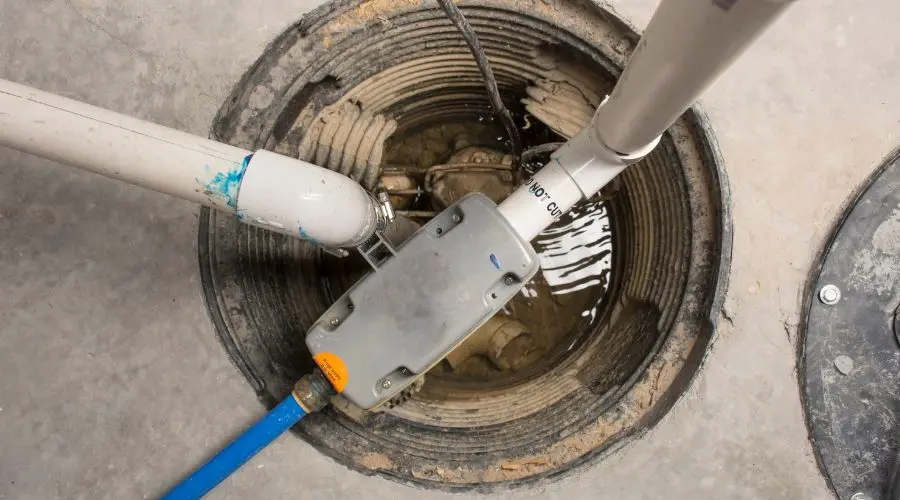

sump pump

Sump Pump Installation Protects Against Flooding and Water Damage

What Is a Sump Pump?

Installing a sump pump is a crucial step in safeguarding a property against the damaging effects of flooding. This versatile device is vital in managing water accumulation, particularly in areas prone to heavy rainfall or elevated water tables. This blog delves into the types of sump pumps to choose from, highlighting their importance in preventing flood-related damage to basements and lower levels.

Benefits of Sump Pumps

save money Sump pumps are essential for flood prevention, providing homeowners with a reliable means of protecting their property from water damage. Below are the key benefits of installing a sump pump, along with detailed explanations:

  • Water Removal: Sump pumps are designed to remove excess water from basements or crawl spaces, quickly directing it away from the home to prevent pooling and flooding. By automatically activating when water levels rise, they offer a proactive solution to water intrusion and the associated cleanup costs.
  • Flood Damage Prevention: By keeping areas prone to flooding dry, sump pumps help protect walls, flooring, and furniture from water damage. This prevention not only saves money on potential repairs but also preserves the structural integrity of the home.
  • Mold and Mildew Reduction: Excess moisture and stagnant water create ideal conditions for mold and mildew growth, which can compromise air quality and pose health risks. Sump pumps help maintain a dry environment, inhibiting mold formation and promoting a healthier living space.
  • Foundation Protection: Prolonged water exposure can weaken a home’s foundation, leading to cracks and instability. By efficiently managing water levels, sump pumps prevent foundation deterioration and the costly repairs associated with structural damage.
  • Increased Property Value: Homes with reliable flood-prevention measures like sump pumps are more attractive to potential buyers. This investment can enhance property value by highlighting the home’s resilience and the owner’s proactive approach to maintenance.

In summary, a sump pump installation offers numerous benefits beyond immediate water management. By safeguarding against flooding and related issues, homeowners can enjoy increased peace of mind and long-term protection for their homes and health.

Primary Types of Sump Pumps

When considering the installation of a sump pump, it is important to understand the two primary types available: submersible and pedestal sump pumps. Each offers distinct advantages and considerations, enabling homeowners to choose the most suitable option.

  • Submersible Sump Pumps:
  • Pros: Submersible sump pumps are installed below the water line, providing efficient and powerful water removal. Their submerged position allows for quieter operation as the water muffles any noise. These pumps are also out of sight, making them a favorable option for individuals looking to maintain a clutter-free space.
  • Cons: Submersible pumps are more expensive than their pedestal counterparts. Additionally, because they operate continuously while submerged, they may experience wear and tear more quickly, potentially leading to a shorter lifespan than pedestal pumps. Proper maintenance can mitigate some of these drawbacks.
  • Pedestal Sump Pumps:
  • Pros: Pedestal sump pumps are positioned above the water line, making them more accessible for maintenance and repairs. They generally have a longer lifespan due to their exposure to less wear from submersion and often come at a lower upfront cost than submersible models. This makes them an economical choice for budget-conscious homeowners.
  • Cons: While pedestal pumps are durable, their above-ground position can make them noisier during operation. They are also more visible, which may detract from the aesthetics of a basement or utility space. Additionally, their capacity to handle water volumes may not be as high as submersible pumps.

Both submersible and pedestal sump pumps have their unique benefits and drawbacks. Homeowners should consider factors such as budget, installation site, aesthetic preferences, and the water volume typically encountered to determine the best fit for their homes.

Secondary or Backup Sump Pumps

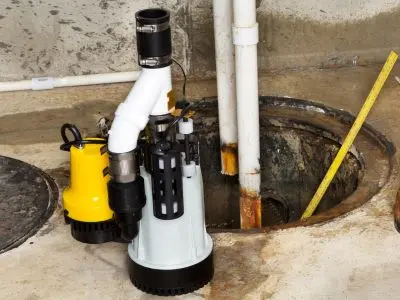
sump pumpWhile primary sump pumps are crucial in managing water accumulation and preventing flooding, secondary or backup sump pumps provide an added layer of security. These systems come into play when the primary pump may be compromised or fail, ensuring continuous protection against water damage.

  • Power Outage Protection: One of the most common reasons for installing a backup sump pump is to address the vulnerability of primary pumps to power outages. Severe weather events, which often lead to flooding, can disrupt the electrical supply, rendering electrically powered primary pumps ineffective. Backup pumps, particularly battery-operated models, ensure that water removal continues uninterrupted, regardless of power availability.
  • Primary Pump Failure: Mechanical failures can occur with any equipment, and sump pumps are no exception. A backup pump mitigates the risk of primary pump malfunction, whether due to mechanical issues, clogs, or excessive water inflow surpassing the primary pump’s capacity. Having a secondary system in place effectively doubles the protection against water damage.
  • Increased Water Volume Handling: During periods of exceptionally heavy rainfall or rising groundwater levels, a single pump might struggle to manage the volume of water entering the system. A backup pump can assist by sharing the workload, maintaining optimal performance, and enhancing overall efficiency.
  • Peace of Mind: For homeowners, the knowledge that a backup pump provides round-the-clock flood prevention can offer significant peace of mind, particularly for those who travel frequently or have homes in areas prone to flooding. This assurance can be invaluable in maintaining property integrity and avoiding costly repairs.

Covering scenarios like power outages and primary pump failures offers a reliable safeguard, ensuring that water is effectively managed and your home remains dry and secure.

About City Plumbing

For more than 50 years, City Plumbing has been dedicated to helping homeowners in the Midland-Odessa metro area restore safety and comfort to their homes. They provide a satisfaction guarantee and on-time service. Contact them for sump pump installation services in Odessa, TX.

leak

Simple Ways to Catch Water Leaks

When to Call for Water Leak Repair

Water leaks are silent troublemakers that can wreak havoc on a home and utility costs, often going undetected until significant damage has already occurred. Whether it’s a dripping faucet or a hidden pipe leak, catching these issues and having them repaired as soon as possible can save money in water and repair costs and prevent the headache of water damage restoration. 

This post will explore effective methods for identifying water leaks throughout a home, which indicate that it’s time to call a professional for water leak detection and repair.

An Increase in Water Bills

bills A sudden spike in the water bill is often one of the first indicators of a hidden water leak in a home. If water usage hasn’t significantly changed but the bill has increased substantially, this discrepancy warrants immediate investigation. Even a seemingly minor leak can waste thousands of gallons of water per month, leading to unnecessarily inflated water costs and potentially causing extensive damage to the property if left unchecked.

Taking prompt action when homeowners notice an unusually high water bill is crucial for both financial and structural reasons. A professional plumber can conduct a thorough inspection to identify the source of the leak, whether it’s a dripping faucet, a compromised pipe, or a malfunctioning toilet. The cost of leak repair pales in comparison to the long-term expenses of ignored water leaks and the severe water damage they can cause.

More Water Leak Signs

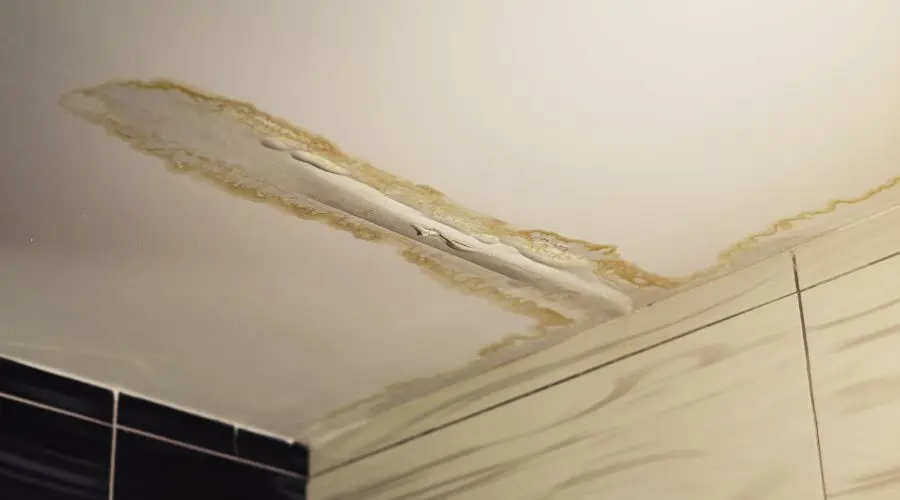
Ways to identify water leaks extend beyond monitoring utility bills, as numerous indicators can alert homeowners to potential leaks. Common signs of a water leak include unexplained damp spots on walls, ceilings, or floors, peeling paint or wallpaper on the walls, damaged flooring, and the presence of mold or mildew, particularly in areas that shouldn’t typically be exposed to moisture. 

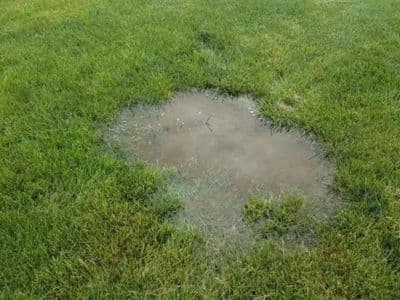
Beyond visible signs, pay attention to unusual sounds like dripping or rushing water or pipes making gurgling noises when water isn’t being actively used, as these can also signal a leak. A significant drop in water pressure from plumbing fixtures can also indicate a leak in the plumbing. Outside the home, be vigilant for unusually lush or green patches of grass, soggy ground, or puddles in the yard, as these can signal underground pipe leaks. 

Finding Leaks With the Water Meter

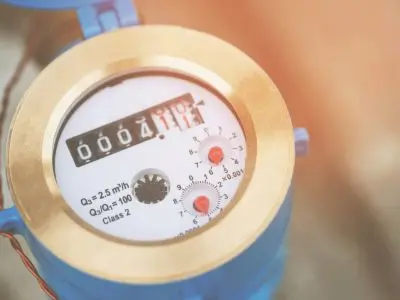
water meter The water meter is one of the most reliable methods to detect hidden leaks in a home’s plumbing system. To conduct this test, ensure no water is being used in or around the home. This means no running faucets, dishwashers, washing machines, or irrigation systems. Then, locate the water meter (typically near the street or property line) and record the exact reading. After the waiting period of about two hours, check the meter reading again. If the numbers have changed despite no water usage, homeowners likely have a leak somewhere on their property.

Many modern water meters feature a small triangle or diamond-shaped flow indicator that rotates when water passes through the meter. This sensitive indicator can detect even minor leaks that the main dial might not immediately show. If this indicator moves while all water sources are off, it indicates water is being lost somewhere in the system.

About City Plumbing

City Plumbing has been serving Midland and the surrounding areas since 1967. They offer straightforward pricing, on-time service, and the latest technology. Contact them for water leak detection and repair in Midland, TX.

plumbing

Schedule Plumbing Maintenance in the Coming Year

What Is Included in Plumbing Maintenance?

Every plumbing system has numerous potential points of failure that could cause property damage and require massive bills to repair. Taking advantage of professional services like plumbing maintenance could help every homeowner avoid these disastrous scenarios. Unfortunately, most homeowners don’t know enough about plumbing maintenance to decide. 

Here is a quick guide from local experts to help homeowners have the confidence to schedule plumbing maintenance in their homes or businesses. 

Benefits of Plumbing Maintenance

save money The idea of spending money to make money isn’t new, but the concept applies to plumbing systems. By spending a little money every year or so on professional plumbing maintenance and inspections, homeowners can take advantage of benefits like: 

  • Lower Utility Costs: Plumbing fixtures like water heaters use gas or electricity to produce hot water. When the plumbing system is healthy, including the water heater, power and gas bills will stay low. 
  • Lower Water Bills: Leaky faucets and running toilets can waste hundreds of dollars yearly on water bills. With annual inspections and maintenance, plumbers can address inefficiencies in water usage that cause water bills to rise. 
  • Lower Repair Bills: Plumbing repairs are expensive, and the repairs to fix the damage they can cause can be even higher. Instead of paying for frequent repairs, a smaller fee once per year can lower the chance of problems that waste money. 
  • Longer Lifespan: When the plumbing is properly maintained, fixtures and piping must be replaced less frequently. 

Each individual benefit can be quite lucrative for homeowners, but when they are added together, they can mean huge annual savings. 

Schedule Professional Plumbing Maintenance

To maximize the benefits of plumbing maintenance, homeowners should always choose professionals for help. Working with professionals means that homeowners are tapping into years of knowledge and experience that can help them maximize the benefits of the service, and they ensure their warranties and insurance stay intact in the event of a problem. In almost every case, plumbers recommend plumbing maintenance service once per year. 

This allows for a service window that is big enough not to be onerous and small enough to catch problems early. Most plumbers will include water heater maintenance as part of their regular services, and some companies will offer the service as part of a membership package. Other components of plumbing maintenance are: 

  • Pipe inspections
  • Test water pressure
  • Look for leaks
  • Fix minor problems
  • Routine drain cleaning 

Water Heater Maintenance

water heater Water heater maintenance is necessary for owners who don’t want to deal with a faulty water heater or frequent water heater replacement. When owners work with professionals for water heater maintenance every year, they can improve efficiency, lowering monthly costs and increasing longevity far beyond the normal life expectancy. Every year, let plumbers do things like:

  • Drain and flush the water heater.
  • Check the anode rod
  • Look for leaks and signs of corrosion
  • Clean the burner and heating element
  • Observe for unusual operation

By doing this every year, owners will keep bills low and extend the life of their water heater. 

About City Plumbing

City Plumbing makes plumbing maintenance easy with on-time scheduling and honest pricing. They provide services for homes and businesses alike. Call today for plumbing service in Odessa, TX

clog

How to Handle a Backed-up Sewer Line

What to Do About a Sewer Line That’s Backed Up

A backed-up sewer line is one of the most unpleasant plumbing issues homeowners can experience. A single drain backing up is bad enough, but when the home’s main sewer line backs up, it can affect every plumbing fixture in the houseusually starting with the showers, tubs, and toilets on the lower floors.

Not only will homeowners have to contend with the mess and odor of the sewage backup, but they won’t be able to use any of the home’s drains without worsening the problem. That’s why fixing sewer line backups is vital as soon as they occurideally, avoiding them altogether. This article will explain how to do both!

Why Do Sewer Lines Backup?

tree roots Understanding the causes of sewer line backups is necessary to resolve and prevent them. There are several possible causes, some of which are easier to resolve than others.
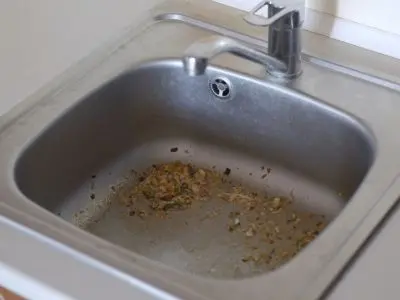
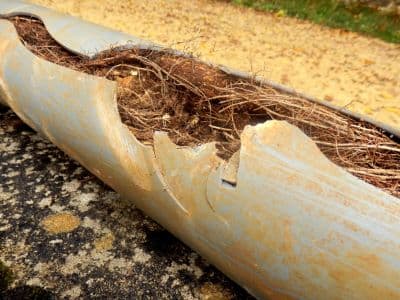
The most common cause of sewage backups is a clogged sewer line, typically caused by inappropriate materials being flushed down the toilets or poured down the drains. Alternatively, the backup might be caused by a crushed or broken sewer pipe caused by invading tree roots, shifting soil, or the effects of age and wear.

How to Fix a Backed-Up Sewer Line

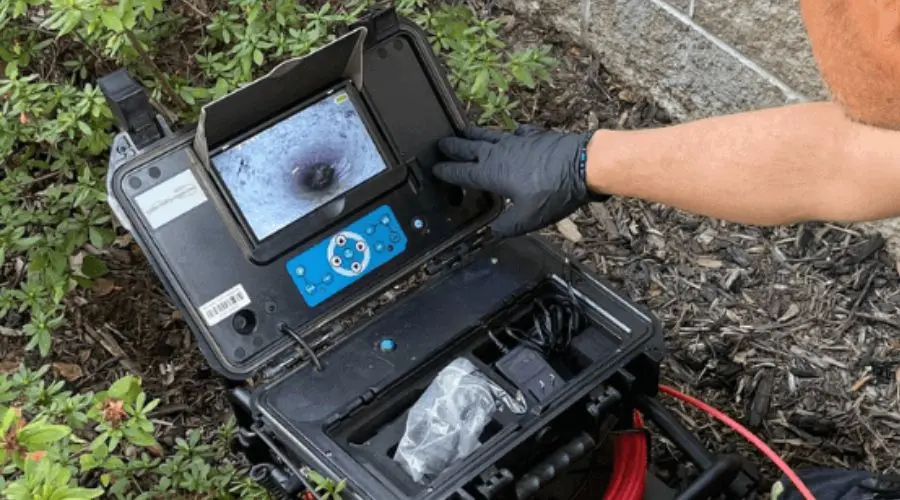
The solution to a sewer line backup usually depends on the underlying cause. To determine that cause, professionals typically use sewer video inspection, which involves feeding a small camera on the end of a flexible cable into the sewer pipe. Depending on what the sewer camera inspection reveals, they may use one or more methods to tackle the problem.

If a sewer line clogs, they typically clear it with hydro jetting (a high-powered water jet machine). If tree roots have broken through the pipe wall, they may use a rooter machine to cut away the roots and then seal the crack using a trenchless sewer repair method. 

Likewise, if the pipe is collapsed or broken due to old age or shifting soil, they’ll likely employ trenchless sewer pipe repair methods. These involve either coating the existing pipe in an epoxy to seal the cracks or feeding a new pipe into the old one to take its place.

How to Prevent Sewer Line Backups

clogAlthough fixing a sewer line backup is best left to the professionals due to the specialized equipment and tricky methods involved, homeowners can still do their part to prevent backups. 

That starts with limiting what goes down the drains and toilets. Generally, toilet paper is the only thing that should be flushed down the toilet (other than human waste). Anything else will not break down properly and may get lodged in the sewer line. 

Regarding sinks, homeowners should limit the amount of solids that go down the drain, such as food waste. However, the most important things to avoid are grease and cooking oil. These can cool and congeal inside the sewer line, forming layer upon layer of stubborn material that will eventually fill the pipe.

At the first sign of a clog, homeowners should call a professional to determine whether it’s isolated to one drain or the sewer linethey can then clear the clog before sewage backs up into the home.

However, to prevent nasty buildup, scheduling routine drain cleaning every few years is a good idea. Homeowners can also avoid planting trees near the sewer line or put root barriers around it to help prevent tree root invasions. 

About City Plumbing, Heating, and Air Conditioning

City Plumbing, Heating, and Air Conditioning has proudly served the Odessa community since 1967. Their licensed, insured, background-checked, and drug-tested plumbers always arrive on time and maintain clear communication at every step, so homeowners are always in the loop. They offer transparent flat-rate pricing, 24/7 emergency service, and a 100% satisfaction guarantee on every job, so don’t hesitate to call them today for sewer line repair in Odessa, TX!

back flow

Keep the Holidays Stress-Free With Backflow Testing

What Is Backflow?

Most consumers are content to know very little about the plumbing system that makes their lives so easy. As long as water comes out when they turn on the tap, they don’t need to know much more. Behind the scenes, there is an intricate network of piping and devices that work together to ensure that the water within the water grid stays safe from contamination. If these devices fail, the results can be catastrophic. 

Water flowing through a plumbing system should only ever flow in one direction, from the source to the plumbing fixture. Any time flow is reversed, a siphon will occur at open fixtures. The siphon created during this condition is called backflow, and it can pull contaminants into the plumbing system, potentially polluting the water within the piping. Luckily, some devices called backflow preventers work to prevent this situation from happening. 

Risks Associated With Backflow

dirty water Potable water is readily available, so most people take the process and infrastructure needed to treat and distribute it for granted. When communities are exposed to contaminated water, poisonings and illnesses are very common. Indeed, clean drinking water is the earliest development that societies need to flourish. Without it, the populace is constantly sick and in poor health. Backflow preventers are one of society’s main lines of defense, and they keep water from becoming contaminated as it flows through piping. 

Backflow preventers are necessary because backflow can be tricky to predict. As water flows through the grid, problems that lead to backflow can arise. Backflow is often attributable to a major failure of a water line. A sudden shift in pressure causes an entire leg of the grid to backflow, potentially contaminating water for thousands of people. The same thing can occur in homes when a pipe bursts or water usage is unusually high. 

How Does Backflow Testing Work?

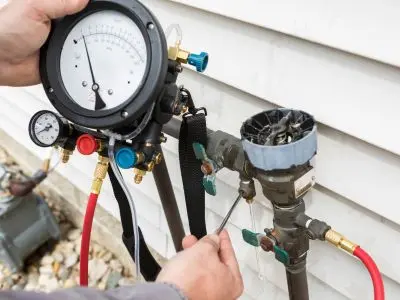
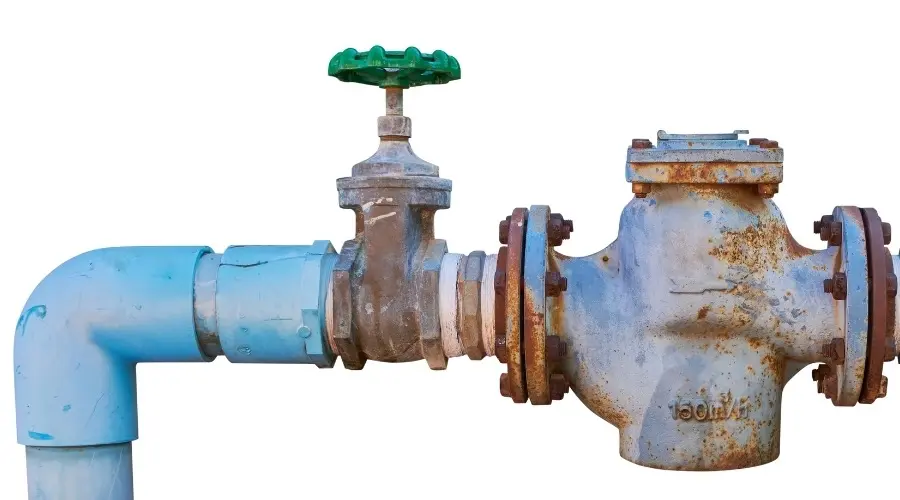
back flow testingBecause backflow prevention devices are vital to public health, so they must be tested routinely to ensure reliable protection. Essentially, backflow preventers are check valves that only allow water to flow in one direction. To test these devices, specially trained plumbers must mimic backflow in a section of piping by manipulating nearby valves. The plumbers use special gauges to watch for changes in pressure within the device. If the device operates effectively, it will be properly tagged and left in service. If it is found deficient, it will need to be immediately repaired. Most municipalities require this procedure every year for adequate protection from backflow. 

Importance of Backflow Testing

When backflow devices are allowed to fail, people are exposed to potentially harmful contaminants in the city’s plumbing. Backflow often occurs in industrial facilities where harmful chemicals can be pulled into the drinking water supply. 

It can also occur in the home when groundwater is pulled into freshwater plumbing from improperly protected irrigation systems. The resulting bacterial contamination can spread waterborne diseases in the community. For better community health, remember backflow testing and certification. 

About City Plumbing Heating and Air Conditioning

City Plumbing Heating and Air Conditioning handles HVAC and plumbing needs for homeowners and businesses. Their teams are licensed to perform backflow testing and repair to protect water supplies. Call today for backflow testing and repairs in Odessa, TX. 

house

Protect Yourself From the Dangers of Gas Leaks

Responding to Gas Leaks

Most people find the topic of gas leaks intimidating, to the point that they would prefer to ignore the potential problem and hope it never happens to them. This tactic may be understandable but leaves people woefully unprepared if the worst thing happens. The better idea is to use knowledge as power and learn how to deal with gas leaks so that everyone knows how to respond safely when the time comes.

Here is a complete guide to gas leaks, including the risks, how to spot them, and how to respond safely in case it happens. 

Gas Leak Risks

dizzyNatural gas and propane are common fuels for heating and cooking. When they flow through inspected plumbing that is up to code, and appliances are professionally installed, these fuels’ risks are minimized. However, as the infrastructure in the home ages or piping and joints become damaged, the likelihood of gas leaks increases. More seriously, leaving gas valves open, as on a stove, is the most common cause of gas leaks in the home. 

When gas and propane are allowed to leak from the uncombusted plumbing, they present serious hazards. The most obvious hazard is the flammable and explosive nature of these compounds. When conditions are right, a small spark can ignite the fuels and cause rapid catastrophic damage. Other risks of gas exposure can include: 

  • Nausea
  • Dizziness
  • Confusion
  • Lethargy
  • Skin irritation
  • Shallow breathing

Prolonged exposure can worsen these symptoms and allow gas to build up in indoor spaces. Learning to recognize leaks is vital to keeping everyone in the home safe. 

Signs of a Gas Leak

bad smell Everyone needs to know the signs of a gas leak. When gas starts to leak, the situation can quickly become dire. Not everyone will have a chance to notice the signs, so the more well-informed people are, the greater the chance that the signs will be spotted sooner. When looking for gas leaks, look for things like: 

  • High gas bills
  • The smell of rotten eggs
  • Yellow pilot lights
  • Dead indoor plants
  • Lethargic or agitated pets
  • Dead spots on the lawn
  • Poor gas pressure

Any of these should prompt an emergency visit from a professional. Being proactive may seem dramatic, but the consequences of ignoring the problem can be deadly. 

Dealing with Gas Leaks

Once a gas leak is detected, owners must know how to react quickly since gas leaks can become seriously dangerous. The first step is to vacate the structure quickly. Make sure everyone is informed and able to evacuate quickly. Always take a moment to extinguish flames, but never turn lights on or off, as this could create a spark. Leave the door open upon exiting to help ventilate the area. 

Once outside, call the gas company or fire department. If tools are on hand, shut off the gas service until repairs are made. Once gas line repairs are finished and the area is ventilated, wait for the all-clear before returning. 

About City Plumbing

City Plumbing can be relied upon in times of emergency. Their teams offer emergency service and straightforward pricing on standard repairs and installations. Call today for gas leak repair services in Odessa, TX.

How to Know When the Water Heater Needs to Be Replaced

Avoid Getting Stuck Without Hot Water During the Cold Months

No one likes being without hot water at any time, but if the water heater dies during the cold months, it’s more than a minor inconvenience. That’s why plumbers in Odessa, TX, suggest homeowners determine whether their water heater is on the verge of failing. Before the temperature drops, it’s a good idea to ensure the water heater is in good condition because it will need to do a lot of work during the cold fall and winter months. 

Luckily, there are three key questions homeowners can answer to determine if they should seek water heater replacement. 

Are There Water Temperature Problems?

If the hot water stops coming out of the faucets, it’s obvious that something is wrong with the unit. However, it doesn’t always happen this way. Sometimes, the temperature varies before the unit gives out if there’s a malfunctioning heating element or burner. Sometimes, all that’s required is a replacement part, but if this is a recurring problem, it could be time for water heater replacement. 

Another common problem is running out of hot water too quickly, which can happen to storage tanks and tankless water heaters. No matter the unit type, this is a sign that a professional must check the water heater to see if a repair or replacement is required. 

Has the Water Heater Sprung a Leak?

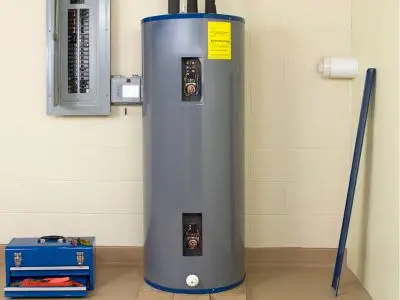
water heater There are several types of water heater leaks, and not all of them warrant replacement. Sometimes, if the water heater leaks, it could come from a loose connection or valve. If that’s the case, it’s unlikely that the unit will need to be replaced, provided everything else works well. If the water heater leaks from itself, then a replacement will be needed, and there’s nothing to do but install a new water heater and remove the old one. 

Homeowners who see a leak should determine where the water is coming from. Either way, a professional plumber must be called to address the issue.

How Old Is the Water Heater?

water heater corrosionThe last question homeowners should ask themselves is, “how old is the water heater?”. Like most appliances, water heaters have a finite lifespan. When they reach a certain age, repairs can only hold back the inevitable for so long. Often, it’s better to invest in a new water heater than to continue spending money repairing one on its last legs. 
Tank water heaters generally last about 10 or 15 years if regularly maintained. Tankless water heaters can last 15 to 20 years because the tank is usually the first to go due to corrosion, which is not an issue to worry about. If the water heater is corroded or old, replacing it sooner rather than later is better to avoid an emergency during cold weather. 

Whether it’s time for water heater replacement or repair, homeowners should always hire a professional plumbing company to remove the old one and install a new one!

About City Plumbing

City Plumbing has been serving Odessa, TX, with pride since 1967. They provide expert workmanship performed by trusted plumbers. They also offer straightforward pricing and a satisfaction guarantee on every job. Contact them today for water heater replacement and repair in Odessa, TX. 

sewer lines

How To Prevent Sewer Line Issues With Proper Care & Maintenance

A Guide To Preventative Maintenance for Home Sewer Lines

Every home’s plumbing system is a complex network of pipes, valves, and fixtures that work independently or in concert to keep things running smoothly. At the heart of that system is the sewer line. This large pipe carries all of the home’s wastewater to the municipal sewer main – all of the home’s drains lead to it.

When there’s an issue with the sewer line (often referred to as the “lateral line”), it can affect every other part of the home’s plumbing system—not to mention the yard and the house itself. This article will lay out the essentials of sewer line care and maintenance to help homeowners avoid major sewer line issues and catch minor ones as early as possible. 

clogCatch Clogs Early (Or Avoid Them Altogether)

Clogging is the most common sewer line issue homeowners have to deal with. In most cases, sewer line clogs are caused by cooking grease or stubborn solids put down the drains (or a combination of both). General buildup of things like dirt, hair, and soap scum can also contribute. Clogs may also be caused by invading tree roots or soil pouring in through a crack – but these are a little less common.

Avoiding sewer line clogs involves limiting what goes down the drains. Cooking grease and oil should be disposed of in the garbage instead of the sink, as should coffee grounds, eggshells, and starchy or fibrous veggie scraps. The only thing that should be flushed down the toilet (besides human waste) is toilet paper—anything else won’t break down properly.

If a sewer line clog does occur despite these prevention efforts, homeowners should immediately call a plumber for drain cleaning to avoid a sewage backup or other nasty problems. Some signs of a clogged sewer line include toilets not flushing properly, slow-draining sinks or shower drains, drain clogs, and foul odors coming from the drains.

leakKeep an Eye Out for Sewer Line Leaks

The effects of a sewer clog can be destructive and downright disgusting – but the effects of a sewer line leak can be even worse. These can include foundation damage, sewage flooding the yard or basement, mold growth, water damage, and potential exposure to harmful bacteria and gasses.

If homeowners can catch a sewer leak early enough, they can usually avoid these scenarios. Of course, the signs of a sewer line leak aren’t the same as those of a water line leak (high water bills, the sound of running water, low water pressure, etc.), so they can be a little trickier to spot. They include:

  • Foul odors in the yard, basement, or crawlspace
  • Soggy spots or puddles in the yard
  • Patches of thick vegetation growth/grass growth
  • Pest infestations
  • Mold growth or mildew, particularly in basements or crawl spaces
  • Cracks in the walls or foundation

Schedule Professional Plumbing Maintenance

It’s great to have a reliable plumber on speed dial in case homeowners urgently need drain cleaning or sewer line repair—but it’s even better if that plumber also offers maintenance services. Professional plumbing maintenance involves a laundry list of tasks that mitigate wear and tear and keep the home’s plumbing system, including the sewer pipe, in good condition.

Plumbers can catch issues early using video sewer line inspections. They can use enzyme-based treatments to eliminate organic growth in the sewer pipe. They can use drain cleaning techniques like hydro-jetting to remove nasty buildup and prevent clogs. They can utilize trenchless sewer line repair methods to fix damaged sewer pipes.

By utilizing the tips above and having a qualified pro perform plumbing maintenance every 1-2 years, homeowners won’t have to worry about sewer line clogs or leaks ever again!

About City Plumbing

City Plumbing experts have served the Odessa community for over 50 years. Their licensed, insured, background-checked, and drug-tested technicians are known for their friendliness, punctuality, and clean, efficient workmanship. City offers competitive up-front pricing, financing, 24/7 emergency service, and a 100% satisfaction guarantee – so there’s no one better to call for sewer line maintenance in Odessa, TX!

water meter

Three Signs the Water Heater Needs Servicing

How To Tell if the Water Heater Needs Servicing

Several obvious signs indicate that a water heater is failing or needs service. For example, if the unit is leaking, it’s simple to see that something’s wrong. Likewise, if the water from the tap isn’t getting hot like it should, it’s easy for homeowners to know something is wrong. However, three common, less-obvious signs indicate the water heater is failing or needs service. Read on to learn about these three signs and what they could mean for the water heater.  

billsIncreasing Utility Costs

One of the less obvious signs that something is wrong with the water heater is a sudden or gradual increase in utility costs. If there’s no other cause for this increase—such as using more electricity or gas than normal—then homeowners should consider that their water heater could be to blame. 

Hot water heaters, especially the older storage tank models, can lose efficiency due to age or inconsistent maintenance. When this happens, the unit has to work harder to get the water to the correct temperature. Depending on the underlying problem, utility costs can go up until the issue is addressed or the water heater is replaced. 

Odd Sounds Coming From the Unit

Since most water heaters are installed in the garage or a utility closet, it’s not always possible to hear what they’re doing. However, homeowners who feel like their water heater might be acting up should take time to listen to their unit. Different sounds can indicate different problems with the heater. The most common include sizzling, bussing, or crackling noises. Usually, these noises indicate a buildup of sediment in the tank, which can be remedied by flushing the tank. Occasionally, homeowners might hear banging or knocking, indicating sediment buildup. 

Another common noise is humming. This is usually a sign of a loose heating element inside, vibrating and causing a humming noise in the water. A high whining or whistling sound can indicate a problem with the pressure release valve. For the best results, a professional plumber should address these sounds. 

soundsDiscolored or Bed-Smelling Water

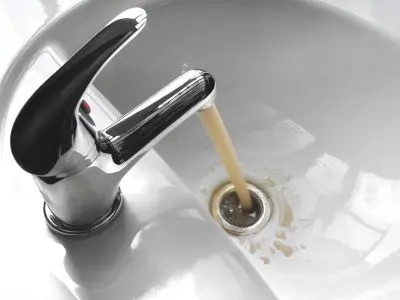
The water itself is the last sign that there’s something wrong with the water heater. When hot water comes out of the faucet discolored or smelling bad, it’s a good sign the water heater may need replacing. In the case of discoloration, bacteria buildup, a rusting water heater tank, or sediment buildup can cause the water to appear rusty or cloudy. If it’s just sediment buildup, the fix could be to flush the tank. But if the tank is rusting, the only solution is to replace the unit. 

If the hot water smells bad — like rotten eggs — it’s a likely sign that there’s a bacterial buildup in the water tank. The type of bacteria commonly found in water heater tanks produces a gas that smells like rotten eggs. Although generally harmless, no one wants to wash their hands or bathe in water that smells like sulfur. Luckily, flushing the tank and replacing the anode rod can help. But like all the issues in this article, it’s best to consult a professional plumber for help fixing the water heater!

About City Plumbing

The friendly professionals at City Plumbing have been proudly serving Odessa, TX, since 1967! They offer on-time service and straightforward pricing and back up their work with a satisfaction guarantee. Contact them today for water heater service in Odessa, TX!