a water heater in wintry weather

Prepping Your Water Heater for Winter

Winter is finally here! With many days still topping out in the 60s, it’s not too late to prep your home for when the cooler, even freezing, weather sets in. One appliance that often gets overlooked is your water heater. You use it every day, but don’t notice it until something goes wrong. In this post, we’ll take a look at a few tips that can make sure it keeps running strong all winter long.

INSPECT INSULATION

Most water heaters are in your garage, or a closet in your garage, which means they can get much colder than inside your home. Granted, you’re not likely to have prolonged temperatures below freezing in your garage, but it’s still a good idea to make sure that the foam insulation on the water lines in and out of your water heater are secure. Freezing may cause the pipes to burst, but even cool pipes will cost you money to reheat every time you turn on the faucet. Any home improvement store sells the insulation, and it’s easy to install. If yours looks old or worn, it’s a good idea to replace it.

CHECK THE ‘STAT

The thermostat on your water heater is deceptively important. There’s no reason to set it at a temperature that’s way hotter than what you need. Not only is it potentially dangerous, but it’s also a waste of energy and money. Check to make sure the thermostat isn’t above 120 degrees.

GET CONNECTED

Securing all the connections on your hot water heater will increase safety and efficiency. A simple twist of a valve may be something you can do on your own, but there are some connection issues that require a pro. For example, if you have damaged hoses, smell gas, or have any electrical issues, you should definitely call a certified plumber like ours at City Plumbing. 

DRAIN PAN

Similar to your HVAC, your water heater has a drain pan meant to catch the water that may leak from the appliance. Failure to catch a leak could lead to big problems. Cracks or erosion in the tank can lead to small leaks, which will only grow without maintenance. Regularly check the drain pan and make sure it is dry!

THE BIG FLUSH

Flushing your water heater means draining the entire tank. This will get rid of any residue that may have built up inside. Too much build-up can have a negative impact on your water heater’s efficiency. Draining the tank can be as simple as attaching a garden hose to the front valve, and putting the other end in a gutter. Just shut off the heater and let the water drain out. You can also use a bucket to catch some of the water and look for any residue.

WE’LL COME RUNNING

Your water heater is one of the most important appliances in your home, and City Plumbing can help you make sure it’s running strong. Make an appointment today by calling 432-366-2401, and we’ll give your heater a tune-up! We also install tankless water heaters! Give us a call and we’ll come running!
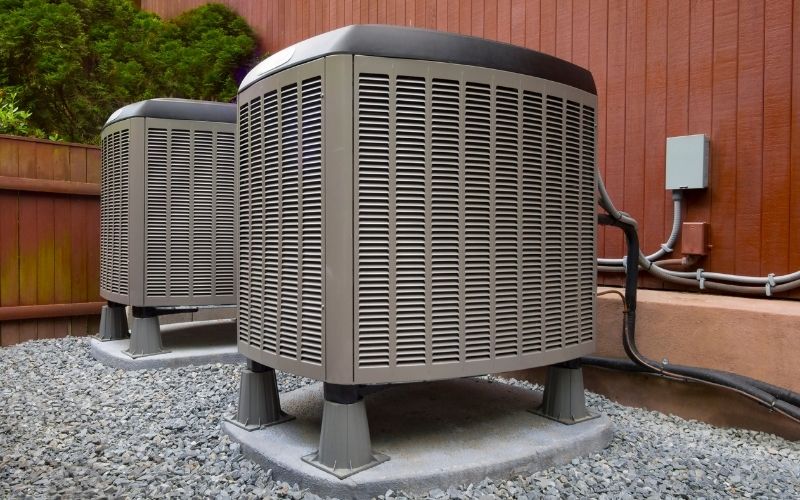
HVAC Units Set To Last

4 Factors That Determine How Long Your HVAC Will Last

Your HVAC is one of those things that you hope you don’t have to worry about – ever. But the reality is that most units need to be replaced around every 15-20 years. In this post, we’ll explore just how long your HVAC unit should last, and some ways you can help yours last longer!

HOW LONG WILL IT LAST

Not all HVAC units are created equal. You can typically expect furnaces to last about 15-20 years, and heat pumps around 16 years. Air conditioners can quit a little sooner – in about 10 to 15 years. Electric or gas heaters last about 10 years, and tankless water heaters about 20. Thermostats can last up to 35 years.

Here are a few of the factors that impact how long the components of your HVAC will last:

  • Maintenance: HVAC units require regular maintenance. Only getting service when something goes wrong will reduce the life of your unit. Licensed professionals, like the ones atCity Plumbing, can identify problems and prevent them from getting worse. Regular maintenance will also increase your unit’s efficiency, keeping your energy costs low.
  • Air filters: If we’ve said it once, we’ve said it a thousand times. Regularly changing your air filters will do wonders for your HVAC system. Once every month is a good rule to follow, but once every three months is pretty much mandatory. If you don’t clean out your filters, this causes air to be restricted as it flows through your system, making it work harder, and costing you money!
  • Climate: Here in West Texas, we’re lucky. Our summers aren’t too humid, our winters are relatively mild, and we usually have a temperate spring and fall. That means the total time we spend running either heat or cold is less than, say, a midwest city with extreme heat in the summer and extreme cold in the winter. Of course, your A/C probably saw a lot of wear and tear this summer, with temps in the 90s or hotter for what seemed like 8 months straight. You want to stay comfortable, but programming your thermostat to fit your climate will help you get the most out of your HVAC!
  • Technology: Advances in technology are so frequent these days that you may choose to get an upgrade to your HVAC even while your current system is still running great. For example, programmable thermostats that work with your cell phone are just one advancement that is an option for homeowners looking to maximize value and efficiency.

WE’LL COME RUNNING

City Plumbing does more than just plumbing! Our HVAC technicians can give your entire system a tune-up, and let you know if any additional maintenance is needed! We can also keep you up-to-date on the latest technology that could be perfect for your home. Make an appointment today by calling 432-366-2401. Give us a call, and we’ll come running!

Phenomenal Aire air purification systems

4 Great Benefits of Air Purification Systems

Ah, there’s nothing like a breath of fresh air. What do you picture when you imagine a refreshing breath of the outdoors? Maybe a babbling brook in a mountain stream? Certainly not a West Texas dust storm! Indoors or out, we all want the air we breathe to be as fresh and clean as possible. In this post, we’ll discuss some of the advantages of air purification systems, and how they can benefit your family.

BENEFITS

Pollutants inside your home can be harmful to your health. Things like germs, viruses, smoke, dust, mold, and others can all take a toll. Air purification systems are a solution that goes beyond a traditional air filter.

Air purification systems are add-ons to your existing HVAC unit that add an additional step to the filtration process. This differs from stand-alone products that work separately from your HVAC system (ie. a humidifier or other product that operates in a room, as opposed to inside an air duct). This enables them to spread clean air throughout your entire home.

IMPROVED AIR QUALITY

An air purification system not only distributes air throughout your entire home, but it’s also cleaner air than what is produced when using just a filter. While filters will catch larger particles like dirt, dust, and lint, purification systems will catch much smaller contaminants including pet dander, bacteria, viruses, and even smoke and other odors.

REDUCED ALLERGENS

Purification systems are especially recommended for households with allergy or asthma sufferers, as they reduce the contaminants that trigger allergies. If you’ve experienced allergy-related headaches, stuffy nose, sneezing, or other symptoms, these can all be reduced through air purification.

A reduction in germs and viruses also means that airborne illnesses like colds, sore throats, the flu, and other illnesses (even COVID-19) are less likely to spread in your home. This is one reason air purification systems are standard in hospitals and other high-risk areas.

LESS DUST

Less dust in your home is good for your breathing, but it also means less cleaning is required. If dust accumulates quickly in your home, that means there’s a lot running through your system. At the very least, you should change your filters, but a severe dust problem could mean an air purification system is right for you.

ODORS

Have you ever walked into a house and immediately noticed a bad smell? There could be a variety of causes, but air purification systems can be a solution.

WE’LL COME RUNNING

These products can be installed in your heating and cooling system by professionals.City Plumbing is a licensed dealer of the Phenomenal Aire Air Purification system. Call us today to schedule an appointment at 432-366-2401. Give us a call and we’ll come running!

Woman reacting to nasty heater smell

2 Solutions for a Stinky Heater

It finally happened. After a long, hot summer, the temperatures finally dropped, and it was time to kick on the heater. Even if your heater is operating perfectly, you may still notice a problem: the smell. In this post, we’ll explore what could cause the bad smell, and how to prevent it.

TAKE A WHIFF

The bad smell from the furnace is one of the first things you’ll notice when cold weather shows up. It will typically smell like something is burning. In all likelihood, what you’re smelling is burning dust. Throughout the warmer months, dust accumulates in your heating unit. When you start blasting it with heat, the dust burns off and it starts to stink.

SOLUTIONS

The simplest solution, as with any musty smell, is to open a door or window to allow air to flow out of your house and be replaced with fresh air. But if it’s really cold, this may not be practical. If the smell persists, there are a couple of things you can do.

Change the filters: It’s important to remember that not all filters are disposable. Some should be cleaned and put back in place, while others should be replaced.

Clean your system: Depending on how much dust (or anything else that might be hiding in your air ducts) has accumulated, it may require cleaning of your entire system. This will likely require the help of an expert.

HEATER EMERGENCIES

In most cases, you will only be dealing with a bad smell. However, it’s possible that debris inside your vents could result in a fire. Where there’s smoke, there’s fire, so if you see flames or even just smoke, don’t wait! Turn your system off immediately, and extinguish the fire. If there is any doubt that the fire is out, call 9-1-1 and leave the home immediately.

WE’LL COME RUNNING

In most cases, a bad smell means you need some routine maintenance, not the fire department. City Plumbing has the experience and know-how to make these easy fixes. Right now, you can get our Fall Clean & Check for only $89. It includes a complete check of your HVAC system, plus a free 1” filter. Call us at 432-366-2401 to make an appointment. Give us a call, and we’ll come running!

limestone buildup in pipe caused by years of hard water

Hard Water: Impact on Pipes

It’s been a while since we examined the impact of hard water, but here in West Texas, it’s a common problem. The lack of rain in the past year means mineral deposits aren’t being flushed out, and even more end up in the water that comes into our homes. In other posts, we’ve discussed some of the visible signs and side effects of hard water. In this post, we’ll focus on some of the unseen damage it can do to your pipes.

WHAT IS HARD WATER?

As a quick review – hard water has higher than normal mineral deposits, mainly calcium and magnesium. It’s not necessarily unhealthy, but it generally doesn’t taste very good and can leave stains in your sinks and bathtubs.

WHAT YOU CAN’T SEE

Stains from hard water happen when the mineral deposits are left behind following evaporation. When you see stains in your bathtub, they’re fairly easy to clean. But what about build-up in your water heater? Deposits there can reduce efficiency and cost you big time. Tankless water heaters aren’t immune either.

Limescale can build up in pipes and valves of appliances, and shorten their lifespan.

DOWN THE PIPE

Those same mineral deposits can end up in pipes that bring water to and from your home. This can restrict water flow, cause blockages, and even cause pipes to burst. Thankfully, modern materials like copper and PVC pipes do a better job of reducing corrosion caused by hard water. Older homes with galvanized pipes could definitely have issues with hard water. What’s worse is, if you do have a small leak, it could be a while before you notice – wasting water and costing you money in the meantime.

WHEN TO INSPECT

When you notice hard water (again, common in West Texas) it’s a good idea to have a professional check out the pipes. Our experts at City Plumbing can test the hardness of your water, flush out your water heater, check your appliances, and even inspect your pipes for corrosion or leaks.

WE’LL COME RUNNING

Besides offering inspections, City Plumbing also offers solutions – Reverse Osmosis systems and Water Softeners. To make an appointment, call us today at 432-366-2401. Give us a call, and we’ll come running!

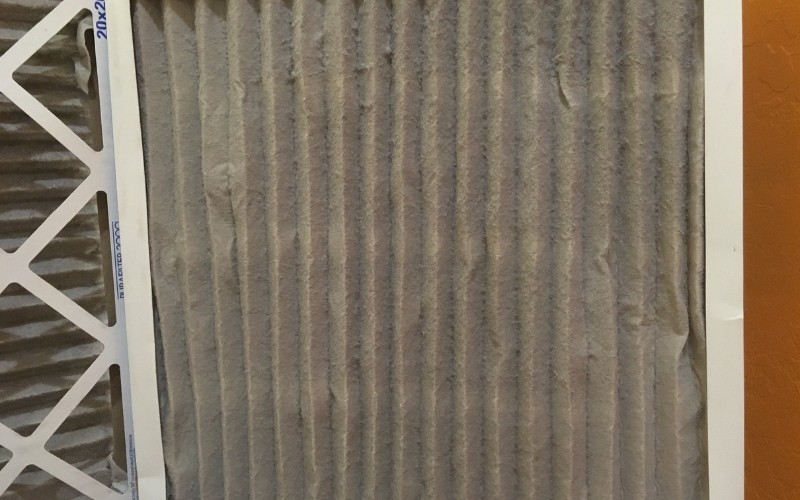
dirty air filters

Importance of Air Filters

We talk about it all the time, and this post will remind you again: regularly changing out your air filters is the easiest, least expensive way to extend the life of your HVAC. The good news is that City Plumbing will give you a FREE 1” filter when we service your home with a Fall Clean & Check. (More on that later.) Let’s talk air filters!

A MASK FOR YOUR HOME

With the coronavirus upon us, face masks are practically a new fashion trend. But these masks offer the perfect analogy for your air filters. They essentially do the same thing, by keeping potentially harmful particles from continuing to circulate in your home.

When the existing air in your home is sucked through the filter, all that bad stuff gets caught. We’re talking about dust, hair, pet dander, dirt, even things causing bad odors. Naturally, the smaller the holes in the filter, the more it will catch. The now-filtered air is pumped back through your system, cooled or heated to your desired temperature, and then reintroduced to your home.

However, a filter, especially one that’s clogged with dirt and dust, makes your unit work harder! That’s because the system is working to pull air through the filter. Not only is that hard on your entire system, and may reduce its lifespan, it also costs you money heating or cooling your home!

So…. that’s why changing the filter regularly is so important.

TYPES OF AIR FILTERS

HEPA stands for “High Efficiency Particulate Air.” These air filters are made of micro-glass fibers and can catch even finer particles. Other filters are given a MERV rating to indicate their filtration rate. We write more about this in other posts. Be sure to evaluate the filter that is right for you.

WE’LL COME RUNNING

The experts at City Plumbing do a lot more than plumbing. That includes HVAC work. Call us today for our Fall Clean & Check. It’s a good idea to give your system a tune-up before switching from A/C to heat as we get into the cooler months. Make an appointment today at 432-366-2401. Give us a call, and we’ll come running!

City Plumbing's Maintenance Crew

Does My HVAC Really Need Maintenance?

We’ve finally made it to Fall! Here in West Texas, that means just a few more weeks of running your air conditioning. That said, the Fall is a great time to take advantage of a Clean and Check for your HVAC unit.City Plumbing can make sure you’re ready to make the switch from the A/C to the heater when the time comes! In this post, we’ll take a look at that all-important HVAC maintenance:

HOW OFTEN?

As a rule, you should get your HVAC checked out by a professional at least once a year. You may feel like it’s running fine, but there could be small issues you don’t see. Not catching them early could lead to bigger problems. We actually recommend twice a year. A once-over in the fall and spring when you’re in between the harsher seasons where you’ll be running your system more often. Of course, if you notice a problem in the summer or winter, let us know!

WHY CHECK?

Here are just a few of the reasons it’s important that your HVAC system get regular maintenance.

  • Air conditioners: Dirt, dust, and other debris can accumulate at your outside A/C. Clearing the area around your external unit to keep it running efficiently.
  • Make it last: Getting your HVAC maintained regularly will increase its overall lifespan. 
  • Preventive maintenance: A routine maintenance check could catch something that would have turned into a bigger problem. Damage can be hard to spot if you’re not looking for it regularly.
  • Electric bill: Regular maintenance will not only keep you comfortable, but it will also keep your electric bills low by ensuring that your unit is running efficiently.
  • Condenser: This is a critical component of your HVAC, and failure to run properly could cause big problems.
  • Drainpipe: Along with the condenser, if your drainpipe is blocked, this can cause significant water damage to your home. A simple check can detect and fix the problem.
  • Air quality: A clean HVAC will have a significant, positive impact on the air quality in your home.
  • Avoid expenses: Routine maintenance can help avoid expensive repairs in the future.

WE’LL COME RUNNING

GiveCity Plumbing a call today to make an appointment for your Fall Clean and Check. Call us at 432-366-2401. Give us a call, and we’ll come running!

noise from a/c vents is keeping this homeowner awake at night

3 Reasons Your A/C Vents Are Making Noise

Your HVAC unit is going to make some noise when it’s running. We’ve covered that in other posts, and the noises are usually caused by the HVAC unit itself. In this post, we’re going to talk about noises you hear when the air is running through your vents. For example, when flipping from A/C to your heater, the ductwork will expand and contract causing popping noises. This is normal during the transition to cooler weather. However, other things like loud or ongoing popping and miscellaneous sounds coming from your air ducts can be a problem.

COMMON AIR DUCT NOISE FACTORS

  • Shape: Ducts can be round, square, or rectangular. Round ducts are usually the quietest, while rectangular ducts can be the loudest. Depending on your preferences for silence, this can potentially be a big difference in the noise level around the house! A couple of easy options to help keep it quieter include wrapping the ducts with insulation or using duct liners.
  • Gauge Rating: If you have metal ducts, a lower gauge rating means the metal is thicker and stronger. This makes them less likely to pop for the reasons mentioned above. More popping means you probably have a higher gauge rating.
  • Size: The power of your HVAC unit, as well as your ducts, should match the needs and size of your home. Larger ducts are needed to heat and cool a larger space, and vice versa. The wrong size can lead to more frequent expanding and contracting of the ducts, and thus louder and more prolonged popping.

MORE NOISE ADVICE

  • If you are hearing strange noises that aren’t similar to the popping described above, it’s likely a good idea to have your system checked out by a professional. 
  • Remember that closing vents around the house can create more stress on your unit, making it work harder to compete with air that’s not getting through the system like it’s designed.
  • If ducts are bent or sagging, this could impact the airflow and cause unnecessary noise.
  • When all else fails, always check the air filters! They should be replaced regularly.

WE’LL COME RUNNING

City Plumbing does more than just plumbing. Call us today at 432-366-2401 to find out how we can help you with all your HVAC issues! Also, ask us about our Fall HVAC Clean & Check! Give us a call, and we’ll come running!

Noritz tankless water heater and traditional water heater

Tankless v.s. Traditional Water Heaters

It’s one of the appliances you rarely think about until you step into a cold shower. That’s when you realize you’ve been taking your hot water heater for granted. That’s when you can’t wait – you need it fixed immediately! If you’re considering replacing your hot water heater, you should know that you have options. In this post, we’ll take a look at a few of the differences between traditional tank water heaters and tankless water heaters.

IN THE TANK

Traditional tank-based water heaters are still the most common, due to their reliability. However, even newer models can leave something to be desired in terms of efficiency. Because water has to be continuously heated, you’ll spend more money on electricity.

TANKLESS ADVANTAGES

Tankless water heaters are gaining in popularity because of a few advantages:

  • Smaller: Traditional tanks take up an entire utility closet, while tankless units are much smaller and can attach to the wall, allowing for increased storage space.
  • Efficiency: Tankless water heaters will save you money on your electric bill.  That’s because they only heat as much water as is needed, right as it’s being used, instead of constantly working to keep an entire tank of water warm.
  • Endurance: Your hot water will not run out if you have multiple people showering. Because the water is heated as it enters your home, it will stay hot. Traditional tanks can run out of hot water and take a while to refill and reheat.

TRADITIONAL ADVANTAGES

Of course, there are reasons traditional tanks are still widely used: 

  • Home size: Larger homes that use and need more water can often be more comfortable with a full tank. This is especially true if you have more than the usual number of bathrooms and other appliances that rely on hot water.
  • Installation: The infrastructure for traditional tanks is typically already in place. A tankless water heater will require some new installation. The good news is that once they’re in place, the long-term maintenance costs are low.

WE’LL COME RUNNING

Most times we get a call about a hot water heater, people are in desperate need of repairs or replacement. We’re there in those situations, but sometimes it’s good to think about your options ahead of time. City Plumbing proudly sells Noritz Tankless Water Heaters. If you’re ready to talk, make an appointment today by calling 432-366-2401. Give us a call, and we’ll come running!

woman plunging a clogged bathtub

What’s Wrong With My Bathtub?

Showers and tub combos can be tough to keep clean – and even more so if you have a separate shower and bathtub in your bathroom. And while goodies like jetted tubs are relaxing, they can be a chore to repair when the time comes. In this post, we’ll look at diagnosing problems in the bathroom and how to fix them!

DOWN THE DRAIN

If your bathtub or shower won’t drain or drains super slowly, that’s a problem. It’s a good idea to clean the drain area regularly, especially if you have a shower/tub combo. Not only will it look a lot nicer, but it will also prevent dirt and other debris from going down the drain. If you’re able to clean out dirt and soap scum before it collects your drain, you’re saving yourself money in the long run!

STOP IT

Pull out and check the stopper near the top of the drain. This may require you to unscrew the cover. If it’s been awhile, there’s a chance that a lot of gunk has built up on it. Dirt, soap scum, hair, and other debris can build up over time. The stopper should be cleaned regularly – about once a week or so. Too much build-up will prevent it from doing its job, and your bathtub won’t hold water when you want it to.

FIND THE CLOG

If the drain is clogged and it just won’t budge, there are a few things you can try. Drain snakes are relatively inexpensive and pretty easy to use. The hook on the end will (hopefully) either break up the clog, push it through the pipe, or grab onto the clog so you can pull it out. You can remove the drain cover and see if there’s anything big at the top and just pull it out. Something may have fallen down there that you may not have realized. You don’t know until you look!

WE’LL COME RUNNING

City Plumbing has the experts to tackle any of your plumbing needs, including a bathtub that won’t drain! And don’t forget – we do HVAC too! Make an appointment today by calling 432-366-2401. Give us a call, and we’ll come running!